Why Commercial Rodent Control Requires Specialized Solutions
Commercial rodent control requires specialized solutions that trained local contractors provide to effectively eliminate pests and prevent future infestations.
Understanding why commercial rodent control requires specialized solutions is essential for property owners facing rodent issues in business environments. Unlike residential settings, commercial properties often present unique challenges, such as complex layouts, valuable assets, and higher foot traffic, which demand tailored strategies to effectively address infestations. Local service providers experienced in commercial rodent control are equipped to develop targeted plans that consider these specific factors, helping to protect your property, reputation, and operations.
For those exploring this topic, recognizing the importance of specialized solutions can lead to more effective and long-lasting results. Commercial rodent control involves more than just trapping or baiting; it requires a comprehensive approach that considers the property's design, potential entry points, and ongoing prevention measures. Connecting with local contractors who focus on commercial pest management ensures access to expertise that aligns with the unique needs of business environments, making it easier to manage rodent issues efficiently and confidently.
- Commercial warehouse inspections are essential when signs of rodent activity appear in storage areas, and local contractors use targeted strategies to address the unique challenges of large-scale infestations. Food processing facilities require specialized solutions to prevent contamination, with service providers implementing integrated pest management tailored to the site's specific needs. Office buildings with ongoing rodent sightings benefit from proactive treatments by local pros who understand the complexities of urban environments and building structures. Restaurants and hospitality venues rely on expert services to develop comprehensive plans that address entry points and nesting sites unique to their operations. Industrial sites with extensive infrastructure demand customized approaches from local contractors to effectively control rodent populations and protect assets.
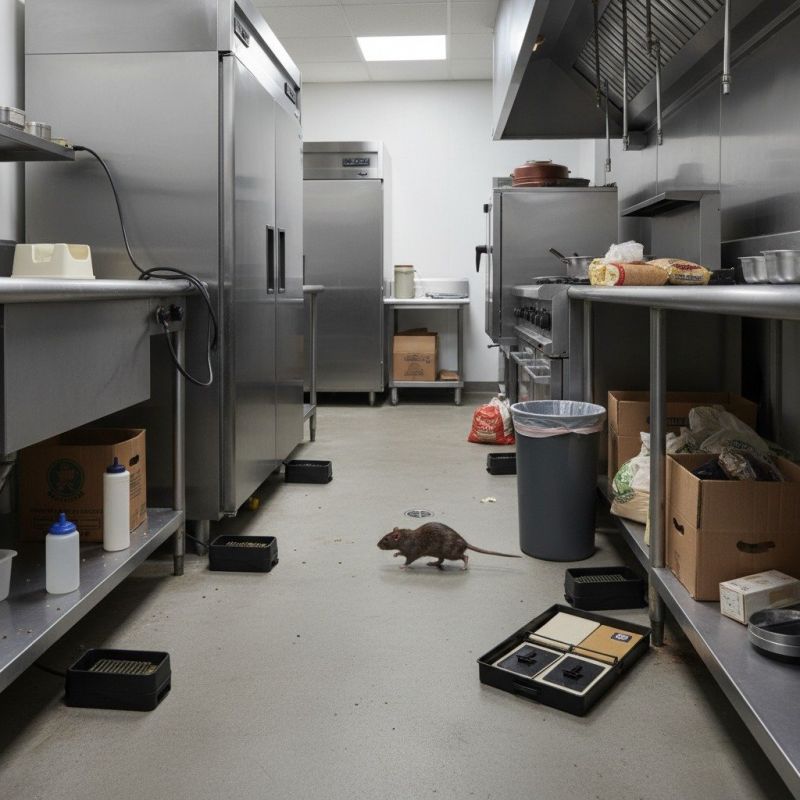
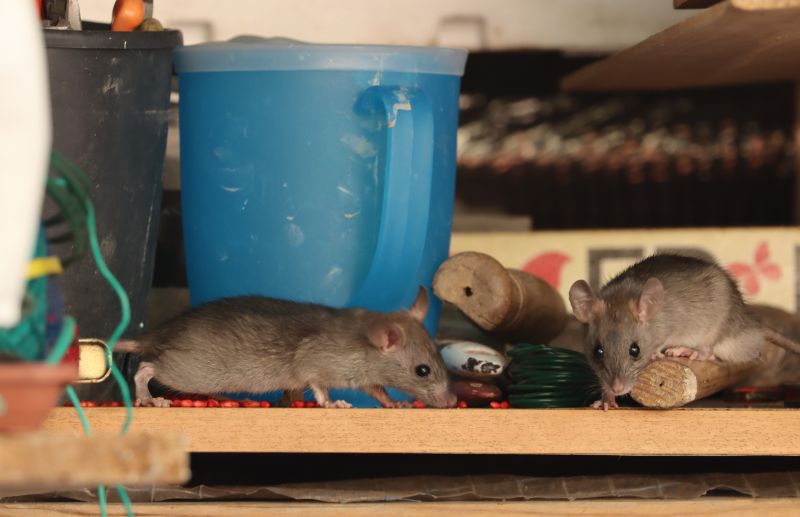
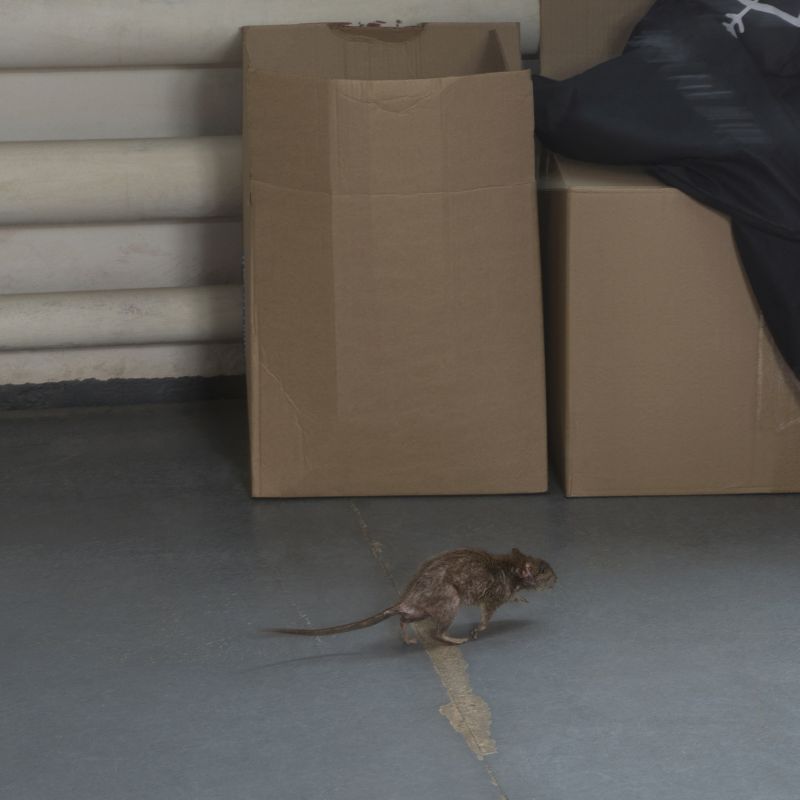
When people search for why commercial rodent control requires specialized solutions, they are often trying to understand the unique challenges involved in managing rodent problems in business or industrial settings. Unlike residential properties, commercial environments typically involve larger spaces, complex layouts, and a higher risk of significant damage or health concerns if rodents are not properly controlled. These searches reflect a desire to find effective, targeted strategies that go beyond basic pest control methods, recognizing that standard approaches may not be sufficient for the scale or nature of commercial properties. Understanding this helps property owners and managers realize that addressing rodent issues in a commercial context often demands tailored plans designed specifically for their type of property and operational needs.
The problems associated with rodent infestations in commercial spaces can be serious and multifaceted. Rodents pose health risks by contaminating food supplies, spreading disease, and damaging wiring or structural components. For businesses involved in food production, storage, or hospitality, the stakes are even higher, as regulatory compliance and reputation are on the line. Plans for dealing with rodents often involve comprehensive inspections, targeted baiting, trapping, and sealing entry points to prevent future invasions. Because these issues can escalate quickly, commercial property owners typically seek solutions that are both effective and minimally disruptive to daily operations. Local service providers with experience in commercial rodent control understand these complexities and can develop strategies that address the specific risks and needs of each property.
Properties that frequently come up in discussions about commercial rodent control include warehouses, food processing plants, restaurants, grocery stores, and manufacturing facilities. These environments are often characterized by large storage areas, food handling zones, and access points that make them attractive to rodents. Additionally, office buildings with extensive basements, utility areas, or storage rooms can also be vulnerable. Each property type presents its own set of challenges, such as high-traffic areas or sensitive operations that require discreet and efficient solutions. Local contractors who specialize in commercial rodent control are familiar with the unique features of these properties and can implement customized approaches that effectively address the specific conditions and risks present.
Understanding why commercial rodent control requires specialized solutions helps property owners see the importance of working with experienced service providers. These professionals bring knowledge of the common entry points, nesting sites, and food sources specific to commercial settings, allowing them to develop comprehensive plans that go beyond generic pest control methods. They also understand the importance of minimizing operational disruptions while effectively eliminating rodent problems. By partnering with local contractors who have experience in commercial environments, property owners can ensure that their pest management strategies are thorough, targeted, and capable of preventing future infestations. This tailored approach is essential for maintaining a safe, compliant, and smoothly running business space.
Warehouse Pest Management - managing pests in large storage facilities involves similar planning and tools as commercial rodent control, requiring targeted strategies for effective results.
Food Processing Plant Sanitation - ensuring hygiene and pest-free environments in food facilities demands specialized approaches comparable to rodent exclusion and sanitation measures.
Building Inspection and Pest Proofing - identifying entry points and implementing barriers aligns with the skills used in rodent control to prevent infestations in commercial properties.
Industrial Facility Cleaning - thorough cleaning to eliminate attractants and hiding spots parallels the sanitation efforts necessary in effective rodent management.
Structural Damage Repair - fixing damage caused by pests shares planning and repair techniques with rodent exclusion projects to secure buildings.
Commercial Wildlife Control - managing larger pests like birds or raccoons involves similar planning, tools, and safety considerations as specialized rodent control services.
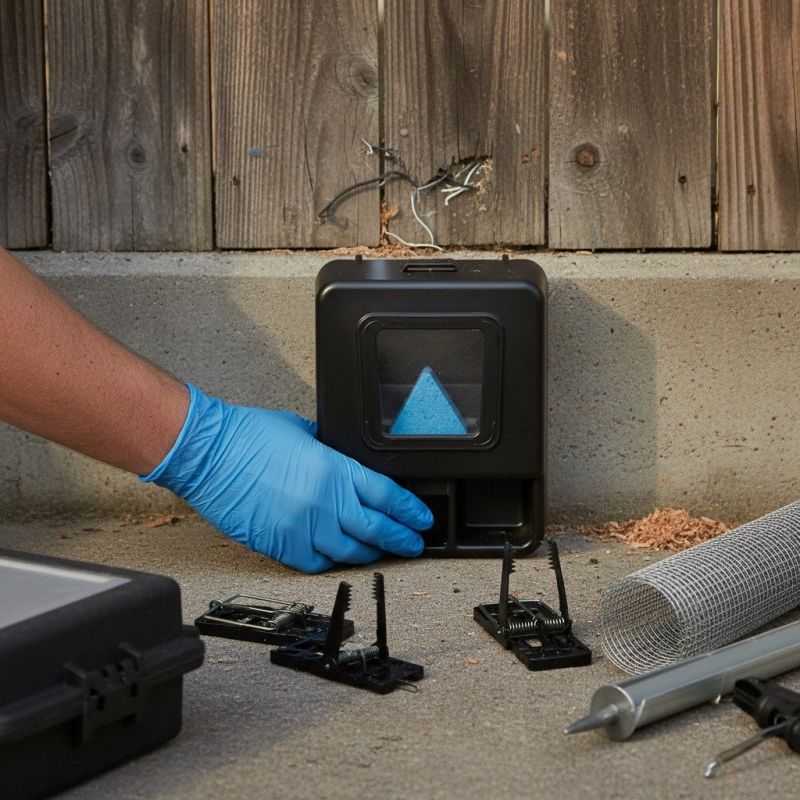
When evaluating service providers for commercial rodent control, it’s important to consider their experience with similar projects. Local contractors who have a proven track record handling commercial settings are more likely to understand the complexities involved, such as the layout of large facilities, food storage areas, or industrial equipment. Their familiarity with these environments can contribute to more effective and lasting solutions, reducing the risk of ongoing issues. Asking about past commercial projects can help gauge whether a contractor’s expertise aligns with the specific needs of the property, ensuring that the chosen professional has the necessary background to address the unique challenges of commercial rodent control.
Clear and detailed written expectations are essential when comparing local service providers. A reputable contractor should be able to outline the scope of work, the methods they plan to use, and what the property owner can expect during and after the treatment process. This clarity helps prevent misunderstandings and ensures that everyone is aligned on the goals of the project. It also provides a basis for evaluating whether a contractor’s approach is appropriate for the specific circumstances of the property. Well-defined expectations demonstrate professionalism and a commitment to transparency, which are valuable when selecting a provider for specialized solutions like commercial rodent control.
Reputable references and effective communication are key factors in choosing the right local contractor. Service providers with strong references from previous commercial clients can offer insights into their reliability, professionalism, and the quality of their work. Good communication throughout the process ensures that questions are answered promptly and concerns are addressed, which is particularly important given the complexities of commercial rodent control. A contractor who maintains open lines of communication and provides clear updates can help foster confidence in their ability to deliver specialized solutions. Taking the time to verify references and observe how well a contractor communicates can significantly impact the success of the project and the overall experience.
Property owners often search for why commercial rodent control requires specialized solutions when they are planning practical projects around their homes and businesses. Local pros provide Commercial Rodent Control services for everyday jobs and straightforward project options.
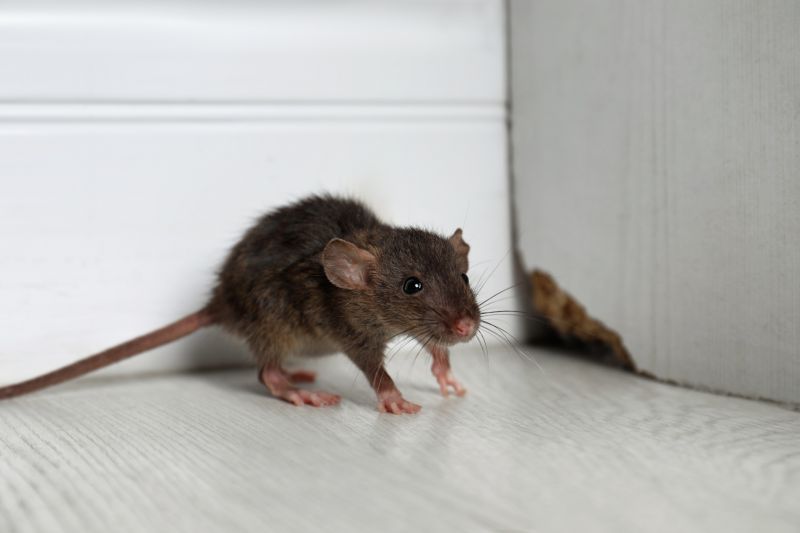
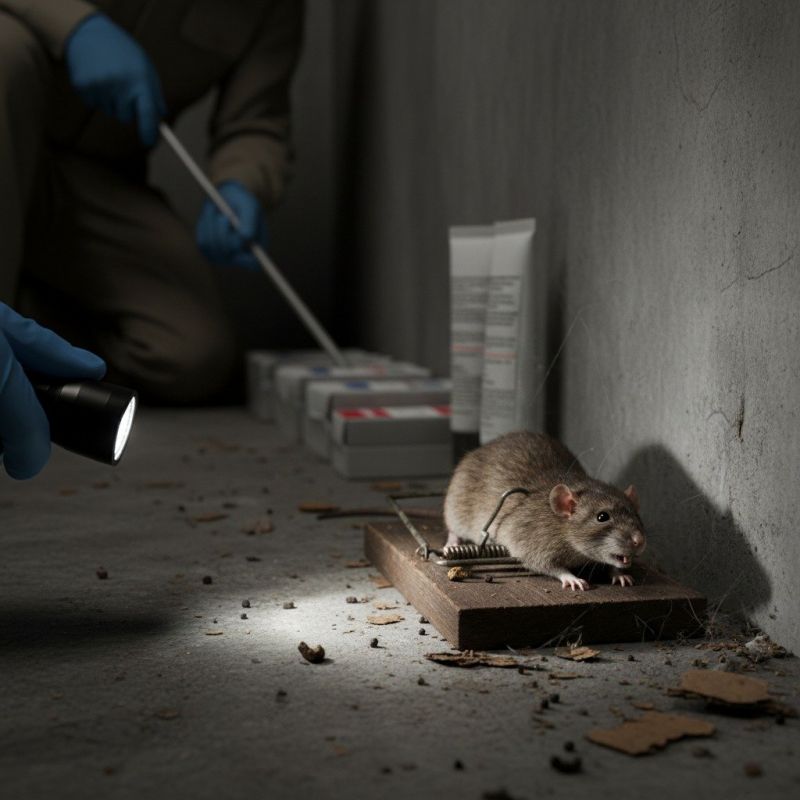
Commercial rodent control requires specialized solutions because businesses often face unique challenges that differ from residential settings. For property owners managing warehouses, restaurants, or retail spaces, rodents can cause significant damage to inventory, wiring, and structural components. Local contractors offering commercial rodent control are equipped to handle these complexities, employing strategies tailored to large-scale or sensitive environments. Their expertise ensures that infestations are addressed effectively without disrupting day-to-day operations, making professional intervention essential for maintaining a safe and compliant property.
In many everyday project situations, property owners seek out commercial rodent control services to prevent ongoing issues and protect their investments. Local service providers understand the importance of targeted approaches that consider the layout, materials, and activity patterns specific to commercial properties. They can identify entry points, implement preventative measures, and customize treatment plans to meet the distinct needs of each business. Relying on local experts ensures that the solutions are not only effective but also aligned with the unique demands of commercial environments, highlighting why specialized approaches are necessary.
Why can't general pest control methods handle commercial rodent problems? Commercial rodent control requires specialized solutions because rodents can hide in hard-to-reach areas and may develop resistance to standard treatments, making it essential to have experts who understand the unique challenges of commercial environments.
What makes commercial rodent control different from residential services? Commercial rodent control involves tailored strategies that address larger infestations and specific building layouts, requiring service providers with experience in managing pests in business settings to ensure effective and long-lasting results.
Why do commercial properties need professional solutions for rodent control? Professional solutions are necessary because commercial properties often have complex structures and valuable assets, demanding precise identification of entry points and integrated approaches that only experienced service providers can deliver.
How do local contractors ensure effective commercial rodent control? Local contractors utilize specialized tools and techniques designed for large-scale infestations, along with knowledge of building codes and pest behavior, to implement effective control measures suited for commercial environments.
What risks are associated with using non-specialized rodent control methods in businesses? Using non-specialized methods can result in incomplete eradication, potential damage to property, and ongoing infestations, highlighting the importance of service providers with expertise in commercial rodent control solutions.
Understanding rodent behavior - Property owners can work with local contractors to identify common rodent habits and nesting areas, ensuring targeted control strategies.
Identifying entry points - Professionals can assist in inspecting buildings for small openings and gaps that rodents use to access the property, helping to seal them effectively.
Implementing integrated solutions - Local service providers can design comprehensive plans that combine trapping, baiting, and exclusion techniques tailored to the property's needs.
Maintaining long-term prevention - Property owners can establish ongoing monitoring and maintenance routines with local pros to prevent future infestations.
If you are thinking about why commercial rodent control requires specialized solutions for a property, this guide is meant to help you understand this topic, the typical project types, and how different options might fit your plans.
When you are ready, you can use the quote form on this page to share a few details about your project. From there, local pros can review the basics and follow up with options that match what you have in mind.