How Rodents Compromise Insulation and Indoor Air Quality
Local contractors can help remove rodents that damage insulation and degrade indoor air quality, restoring a healthier, cleaner home environment.
If property owners in the area notice signs of rodent activity or suspect a pest problem, understanding how rodents compromise insulation and indoor air quality becomes essential. Rodents often nest in hidden spaces, where their droppings, urine, and shed fur can contaminate insulation materials, creating a breeding ground for bacteria and mold. This contamination not only diminishes the effectiveness of insulation but can also lead to indoor air becoming filled with allergens and airborne pathogens, affecting the health and comfort of inhabitants. Exploring this topic can help homeowners and landlords recognize the importance of timely intervention and proper removal services to maintain a safe, healthy living environment.
Local contractors specializing in rodent removal are equipped to address these issues effectively, ensuring that contaminated insulation is properly handled and replaced if necessary. They can assess the extent of the infestation and contamination, offering solutions that restore both insulation performance and indoor air quality. Property owners who want to safeguard their spaces from the ongoing effects of rodent intrusion will find valuable insights in understanding how rodents compromise these critical elements of a home or building. Keep reading to learn practical steps for prevention and how experienced service providers can help maintain a cleaner, healthier indoor environment.
- Rodent Infestation Cleanup - homeowners noticing rodent activity in attics or walls may need local contractors to remove rodents and inspect insulation for contamination.
- Insulation Replacement - when rodents have damaged or contaminated insulation, local service providers can safely remove and replace it to improve indoor air quality.
- Indoor Air Quality Assessment - concerns about musty odors or allergy symptoms can lead to expert evaluations of insulation and attic spaces by local pros.
- Attic and Wall Inspection Services - signs of rodent presence often require detailed inspections by local contractors to identify compromised insulation and air pathways.
- Pest and Insulation Damage Repair - after rodent removal, local specialists can repair or replace insulation to restore energy efficiency and indoor air standards.
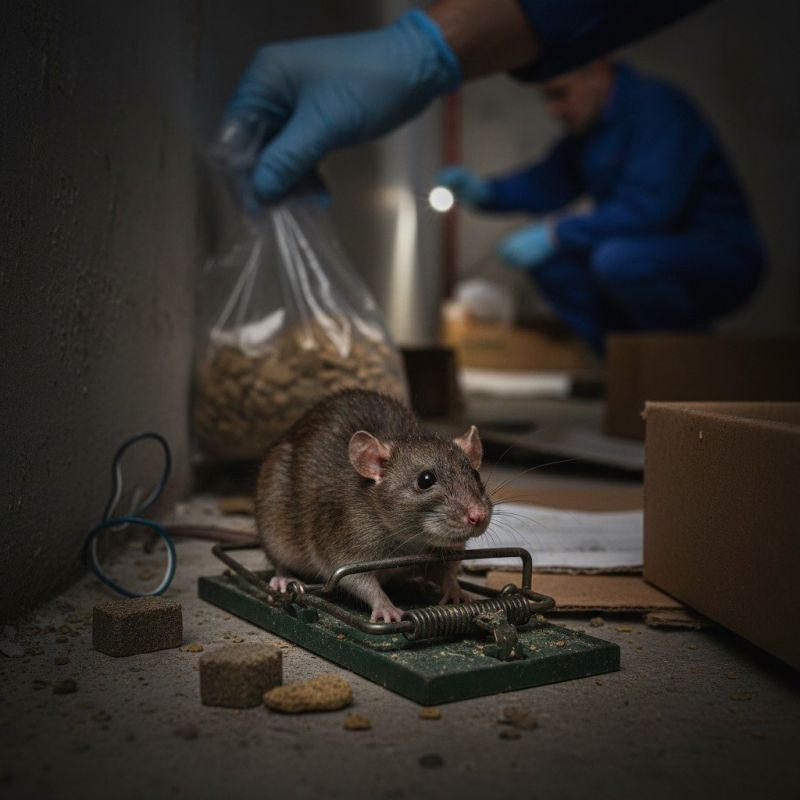
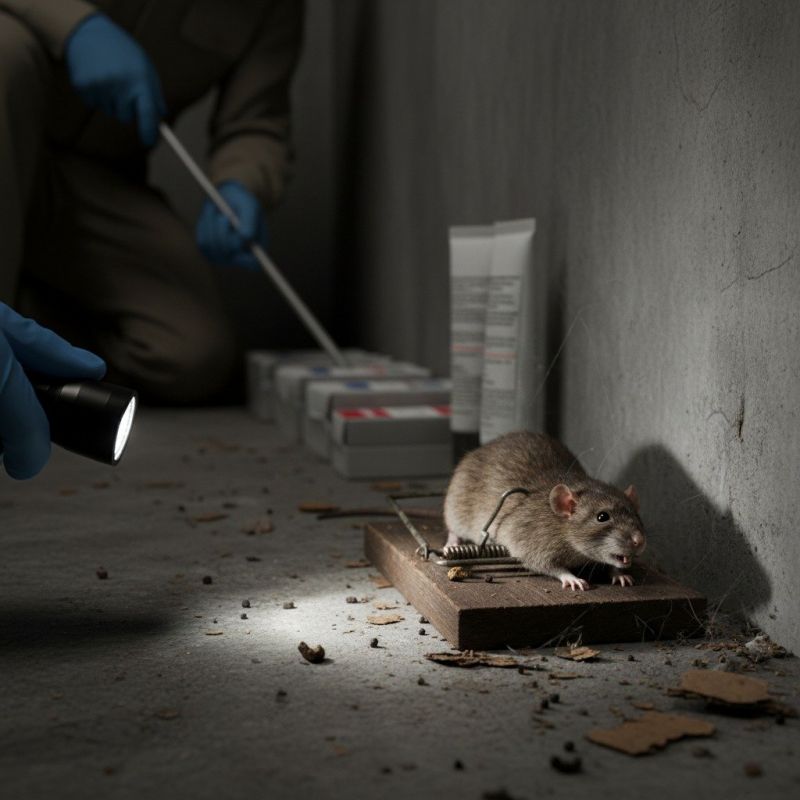
When homeowners search for information about how rodents compromise insulation and indoor air quality, they are often concerned about the health and safety of their living environment. This topic typically comes up in the context of pest infestations, property damage, or efforts to improve home comfort. People may notice signs of rodent activity, such as droppings, gnaw marks, or strange odors, which prompt questions about the impact these pests can have on their insulation and overall air quality. Understanding how rodents can infiltrate and damage insulation helps homeowners recognize the importance of timely pest removal and property inspection, especially when trying to maintain a healthy indoor environment.
The problems associated with rodents in insulation extend beyond simple pest control. Rodents often nest in attic spaces, wall cavities, or crawl spaces, where they can cause insulation to become contaminated, compressed, or damaged. Their droppings and urine introduce bacteria and pathogens into the home, which can be released into the air and impact indoor air quality. This contamination can lead to allergic reactions, respiratory issues, or other health concerns for residents. Additionally, rodents may chew through electrical wiring or structural components, creating fire hazards or further property damage. Many property owners consider plans for rodent removal, insulation replacement, or air quality improvements to address these interconnected issues.
Certain types of properties are more likely to experience problems with rodents compromising insulation and indoor air quality. Older homes with less effective sealing, attics, or basements tend to be more vulnerable to pest infiltration. Commercial buildings, multi-family residences, and rural properties with access to outdoor environments also face higher risks. Attics and crawl spaces are common nesting spots because they are less disturbed and provide insulation for temperature regulation. Property owners in these settings often seek out local service providers who specialize in rodent removal and insulation services to effectively address the problem and prevent future issues.
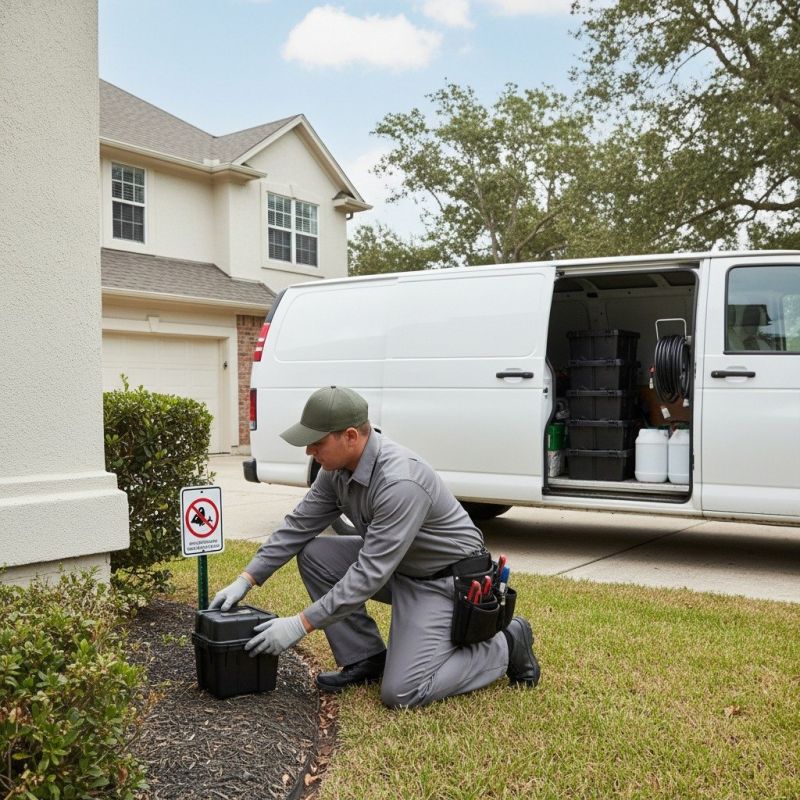
Connecting with local service providers who handle rodent removal and insulation work is a practical step for homeowners facing these concerns. These professionals can assess the extent of rodent activity, identify entry points, and recommend appropriate solutions to eliminate pests and restore insulation integrity. Proper removal helps prevent ongoing contamination, improves indoor air quality, and reduces health risks. Whether addressing an active infestation or preparing for insulation upgrades, engaging experienced local contractors ensures that the property is thoroughly inspected and treated. This approach helps create a cleaner, healthier indoor environment and protects the home’s structural components from future damage.
Attic Insulation Replacement - professionals who specialize in replacing or upgrading attic insulation can help address damage caused by rodent activity and improve indoor air quality.
Pest Damage Repair - contractors experienced in fixing structural damage from pests can also handle repairs related to rodent intrusion and contaminated insulation.
Indoor Air Quality Testing - local service providers offering air quality assessments can identify contamination resulting from rodent droppings and nesting materials.
Rodent Proofing Services - experts who seal entry points and reinforce building structures help prevent future rodent infestations that compromise insulation and air quality.
Attic Cleanup and Decontamination - specialists who clean and disinfect attic spaces can remove rodent droppings and nesting debris to restore indoor air safety.
HVAC Duct Cleaning - technicians who clean and sanitize duct systems can eliminate rodent-related contaminants that affect indoor air quality and ventilation.
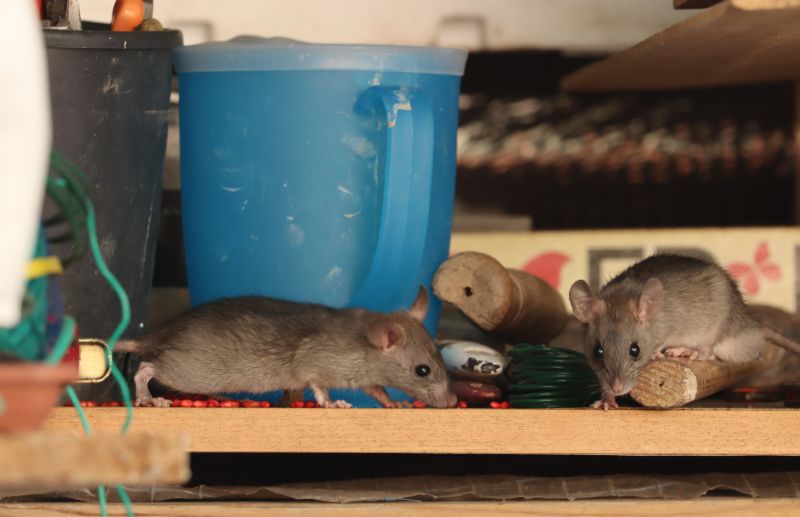
When comparing service providers for rodent removal and addressing how rodents compromise insulation and indoor air quality, it’s important to consider their experience with similar projects. Homeowners should look for local contractors who have a proven track record of handling rodent infestations, especially those involving insulation and air quality concerns. An experienced professional will understand the complexities of identifying rodent entry points, assessing the extent of damage, and implementing effective removal and cleanup strategies. Ensuring that a contractor has previously managed projects with comparable scope can provide confidence that they are familiar with the challenges and best practices for restoring a safe and healthy indoor environment.
Clear written expectations are essential when evaluating potential service providers. Homeowners should seek contractors who provide detailed estimates and scope of work that outline the steps involved in rodent removal, insulation cleanup, and any necessary repairs. Transparent communication about what services are included helps prevent misunderstandings and ensures that the homeowner’s concerns about indoor air quality and insulation damage are addressed thoroughly. A reputable contractor will also be willing to discuss the process, materials used, and post-removal recommendations in plain language, making it easier to compare options and make an informed decision.
Reputable references and good communication are key factors in selecting the right local contractor for rodent-related issues. Homeowners should ask for references from previous clients who had similar problems, particularly those involving insulation and indoor air quality concerns. Speaking with past customers can reveal insights about the contractor’s reliability, professionalism, and ability to deliver satisfactory results. Additionally, effective communication throughout the project - including responsiveness, clarity of explanations, and willingness to answer questions - helps ensure a smooth process and a clear understanding of the work being done. These qualities contribute to a positive experience and confidence in the chosen service provider’s ability to resolve rodent problems effectively.
Property owners often search for how rodents compromise insulation and indoor air quality when they are planning practical projects around their homes and businesses. Local pros provide Rodent Removal services for everyday jobs and straightforward project options.
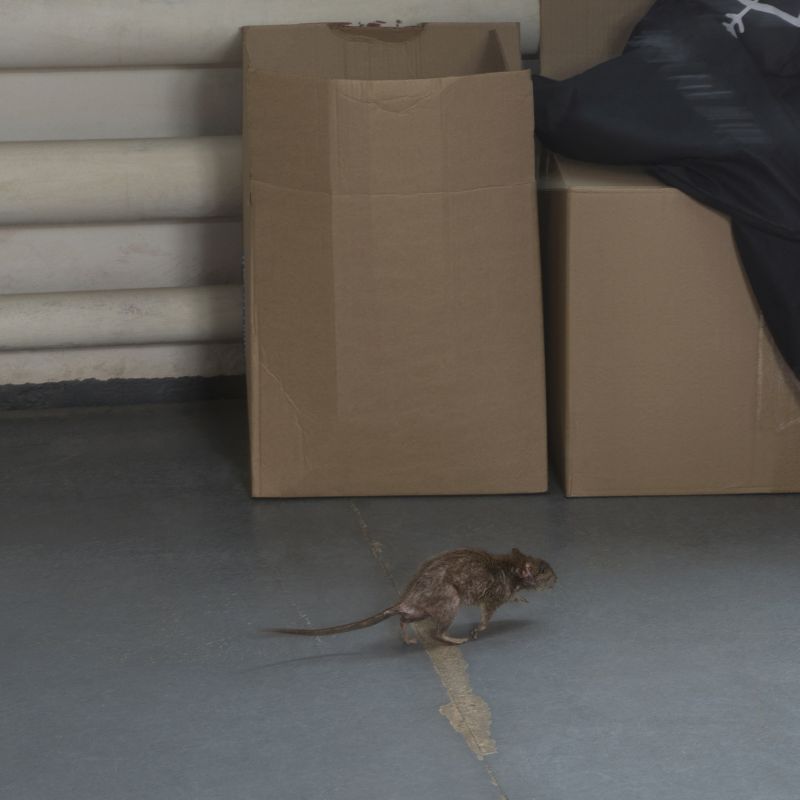
Rodents can cause significant issues inside homes and commercial properties by nesting in insulation and contaminating indoor spaces. When rodents burrow into attic or wall insulation, they often damage or displace the material, reducing its effectiveness at regulating temperature and sound. Additionally, their droppings, urine, and shed fur can introduce allergens and bacteria into the indoor environment, leading to compromised air quality. Property owners noticing unusual odors, increased allergy symptoms, or rodent activity should consider the potential impact on insulation and indoor air health.
Engaging with local contractors experienced in rodent removal can help address these problems effectively. Professional services can identify and eliminate rodent infestations, safely remove contaminated insulation, and advise on restoring a healthy indoor environment. Proper removal and cleanup not only help protect the home's insulation but also improve overall indoor air quality, making it a worthwhile step for property owners dealing with rodent-related concerns.
How do rodents affect insulation in a home? Rodents often nest in insulation, causing damage and reducing its effectiveness at temperature regulation.
In what ways can rodents impact indoor air quality? Rodents can introduce droppings, urine, and nesting materials that release allergens and airborne particles, degrading indoor air quality.
Why is it important to remove rodents to protect insulation and air quality? Eliminating rodents prevents further damage to insulation and stops the spread of allergens and pathogens that can affect indoor air health.
How can local service providers help with rodent-related insulation issues? Local contractors can perform rodent removal and assess insulation damage, offering solutions to restore insulation and improve indoor air conditions.
What signs indicate rodents may have compromised insulation and indoor air quality? Signs include droppings, chewed insulation, unpleasant odors, and increased allergy symptoms indoors.
Inspect insulation for signs of rodent activity - property owners can have local contractors check for gnaw marks, droppings, and nesting sites to identify compromised insulation.
Replace or repair damaged insulation - after rodent removal, local service providers can help restore insulation to improve indoor air quality and energy efficiency.
Seal entry points to prevent future infestations - sealing gaps and holes around the home can stop rodents from re-entering and causing further damage to insulation.
Improve ventilation and air filtration systems - addressing air quality concerns caused by rodents can involve upgrading filters and ventilation with the help of local experts.
If you are thinking about how rodents compromise insulation and indoor air quality for a property, this guide is meant to help you understand this topic, the typical project types, and how different options might fit your plans.
When you are ready, you can use the quote form on this page to share a few details about your project. From there, local pros can review the basics and follow up with options that match what you have in mind.