Signs of a Mouse Infestation Hiding Inside Walls and Cabinets
If you notice signs of a mouse infestation hiding inside walls and cabinets, local service providers can identify the problem and safely remove the mice to protect your home.
Discovering signs of a mouse infestation hiding inside walls and cabinets can be a concerning experience for property owners. Recognizing early warning indicators-such as unusual odors, gnaw marks, or the presence of droppings-can help identify a problem before it grows. Since mice are skilled at hiding in hard-to-reach places, understanding these subtle signs is essential for timely intervention. Property owners in the area often explore this topic to protect their homes and businesses from potential damage, contamination, and health risks associated with rodent infestations.
When signs of a mouse infestation are suspected, enlisting the help of local service providers who specialize in mouse infestation removal can make a significant difference. These professionals have the experience and tools to locate hidden mice and effectively eliminate them, preventing further issues. Exploring options for removal services ensures that property owners can address the problem safely and thoroughly, maintaining a clean and secure environment. Keep reading to learn more about how to spot the signs and find the right local experts to handle the job.
- Common projects - local contractors handle removal services when signs of a mouse infestation hiding inside walls and cabinets are detected, using specialized techniques to access concealed areas.
- Mouse infestation removal - service providers are called in to address hidden rodents within walls and cabinets when signs such as droppings or gnaw marks are observed.
- Infestation inspection and removal - local pros approach these situations by carefully inspecting wall cavities and cabinetry to locate and eliminate hidden mice.
- Rodent exclusion and removal - when signs of a mouse infestation hiding inside walls and cabinets are present, experienced service providers implement targeted strategies to prevent re-entry.
- Pest entry point sealing - local contractors often combine removal with sealing efforts after identifying signs of a mouse infestation hiding inside walls and cabinets to block access points.

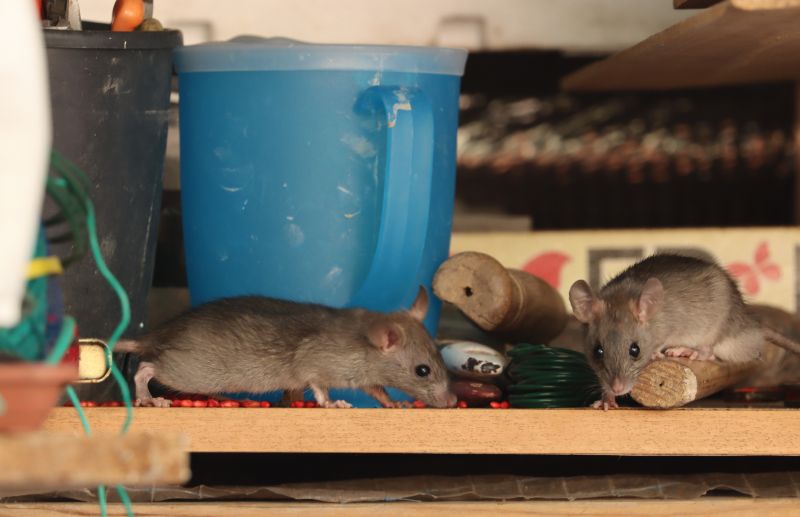
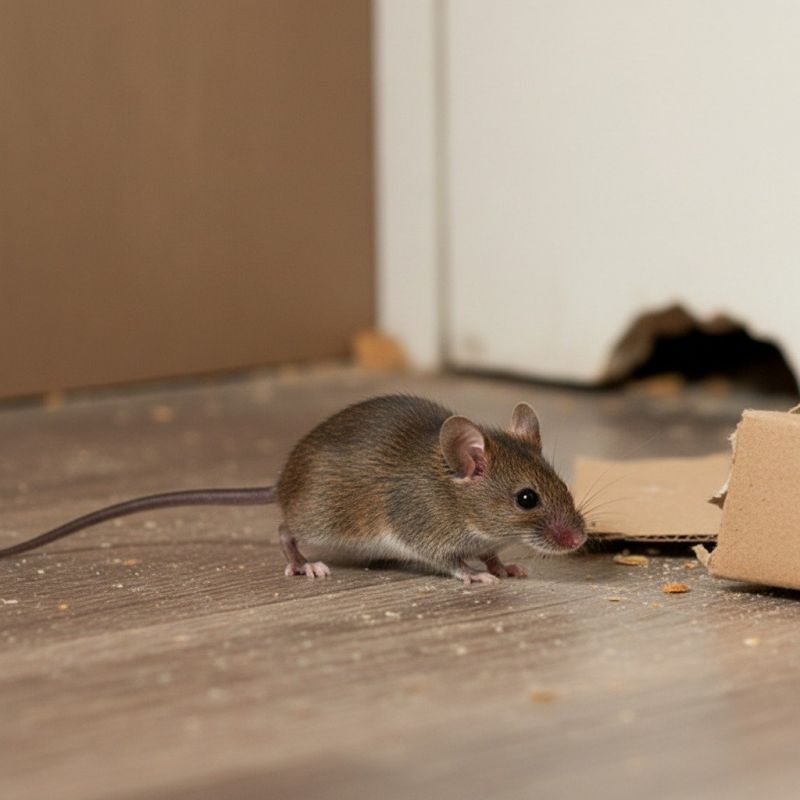
When homeowners search for signs of a mouse infestation hiding inside walls and cabinets, they are often trying to identify whether rodents have taken up residence within the structure of their property. This concern typically arises when there are suspicions of unseen pests causing damage or leaving behind clues that are not immediately visible. People may notice subtle indications like strange noises in walls, unexplained odors, or small droppings that suggest mice are nesting out of sight. Recognizing these signs early is important for preventing further damage and health risks, which is why many seek guidance on how to detect hidden infestations and when professional help may be needed.
The problems associated with mice hiding inside walls and cabinets can quickly escalate if not addressed promptly. Hidden rodents can cause structural damage by gnawing on wiring, insulation, or wood framing, increasing the risk of electrical fires or costly repairs. Additionally, mice are known carriers of diseases, and their droppings or urine can contaminate living spaces, posing health concerns for residents. Homeowners often have plans to eliminate these pests and prevent future invasions, which involves identifying the source of entry points and implementing effective removal strategies. Local service providers who specialize in mouse infestation removal can assist with thorough inspections, safe removal, and sealing of entry points to ensure the problem does not recur.
Certain types of properties are more prone to mice hiding inside walls and cabinets. Older homes with less modern construction may have more gaps and cracks that serve as entry points, while newer properties with complex wiring and plumbing can provide ample hiding spots. Apartments and multi-family buildings often face higher risks due to shared walls and common spaces. Kitchens, basements, and utility rooms are especially vulnerable because they offer easy access to food sources and nesting materials. Understanding the property type helps homeowners recognize where mice might be hiding and whether professional inspection and removal services are advisable to effectively address the infestation.
Identifying signs of a mouse infestation hiding inside walls and cabinets is a key step in managing the problem. Homeowners should look for telltale clues like scratching noises within walls, small dark droppings, gnaw marks on furniture or wires, and a persistent musty odor. Sometimes, signs are more subtle, such as shredded paper or fabric in hidden spaces, or tiny holes in walls or cabinetry. When these signs are observed, it’s often recommended to work with local contractors experienced in rodent removal. These professionals can perform detailed inspections, locate hidden nests, and implement targeted removal and sealing strategies, helping to restore safety and peace of mind in the home.
Home inspection services - professionals skilled in identifying hidden pest signs can detect early indicators of mouse activity inside walls and cabinets.
Wildlife removal services - experts experienced in trapping and removing small rodents can address infestations that hide within wall cavities and cabinetry.
Structural repair services - contractors familiar with sealing entry points help prevent mice from accessing interior spaces through wall gaps and cracks.
Pest exclusion services - specialists can install barriers and seals to block mice from hiding inside walls and cabinetry in the first place.
Drywall and carpentry services - skilled tradespeople can access and repair damage caused by mice nesting inside walls and cabinets.
Odor removal services - providers trained to eliminate persistent smells can help address odors resulting from mouse droppings and nesting materials inside walls and cabinets.

When evaluating service providers for mouse infestation removal, it’s important to consider their experience with similar projects. Homeowners should inquire about how many times the contractor has handled cases involving signs of a mouse infestation hiding inside walls and cabinets, as well as their familiarity with identifying hidden nests and entry points. A contractor with a history of successfully resolving these specific issues is more likely to understand the nuances involved and deliver effective solutions. This experience can help ensure that the problem is thoroughly addressed, reducing the likelihood of recurring issues and providing peace of mind.
Clear, written expectations are essential when choosing a local contractor for mouse infestation removal. Homeowners should seek detailed descriptions of the scope of work, including inspection methods, removal techniques, and any follow-up measures. Having this information in writing helps establish a mutual understanding of what will be done and what results to expect. It also provides a reference point if questions or concerns arise during the process. Well-defined expectations can contribute to a smoother experience and help ensure that the contractor’s approach aligns with the homeowner’s specific needs.
Reputable references and effective communication are key factors to consider when comparing local service providers. Homeowners can ask for references from previous clients who had similar issues, especially those involving signs of a mouse infestation hiding inside walls and cabinets. This feedback can offer insights into the contractor’s reliability, thoroughness, and professionalism. Additionally, good communication-such as prompt responses to inquiries and clear explanations of procedures-can make the entire process more transparent and less stressful. Choosing a provider known for open dialogue and trustworthy references can lead to a more confident decision and a successful outcome.
Property owners often search for signs of a mouse infestation hiding inside walls and cabinets when they are planning practical projects around their homes and businesses. Local pros provide Mouse Infestation Removal services for everyday jobs and straightforward project options.
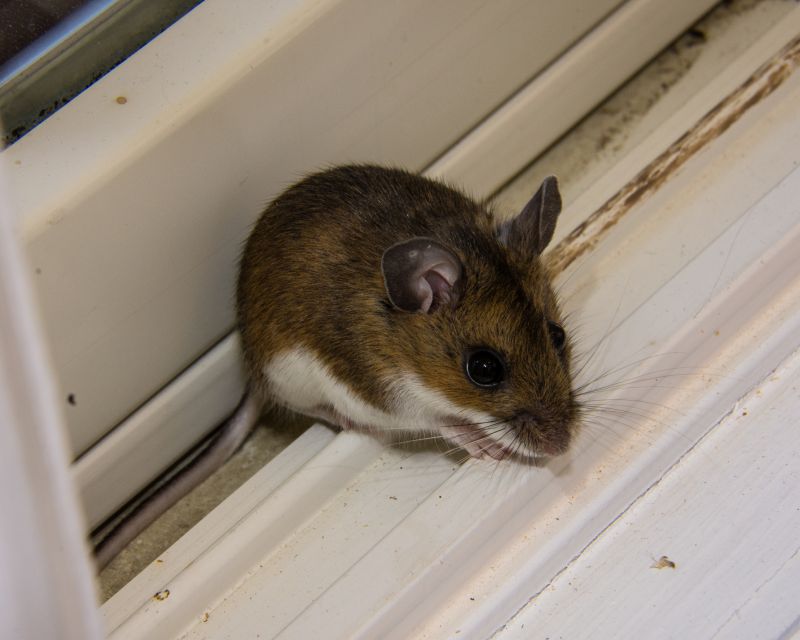
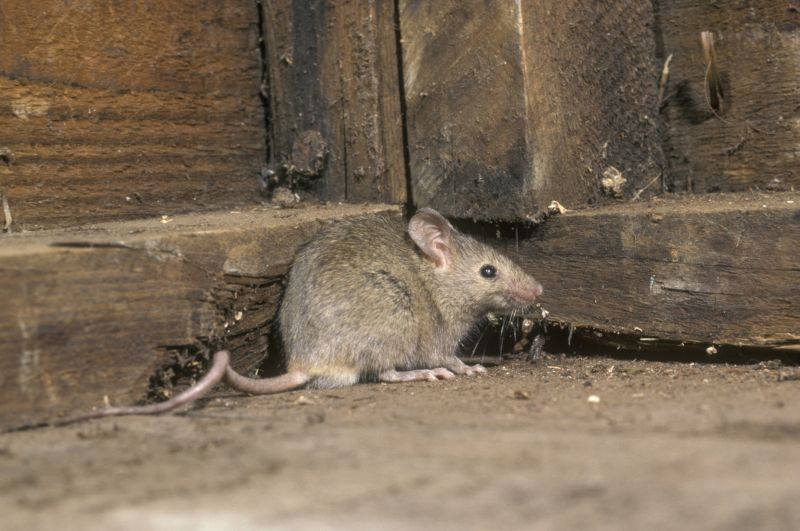
Homeowners in the area often notice subtle clues that suggest a mouse infestation might be hiding inside walls and cabinets. Common signs include the faint sound of scratching or scurrying noises, especially at night, as well as the presence of small droppings in hidden corners or behind appliances. Chewed wires, gnawed packaging, and nests made from insulation or paper are also indicators that mice have taken refuge within the structure. When these signs appear, property owners typically consider seeking the expertise of local contractors who specialize in rodent removal to address the problem effectively and prevent further damage.
Detecting a mouse infestation early can save property owners from more extensive repairs and health concerns. Service providers in the area are equipped to identify the telltale signs of mice hiding inside walls and cabinets, often through thorough inspections. They can then implement targeted removal strategies and help seal entry points to keep these pests out. Connecting with experienced local contractors ensures that the issue is handled efficiently, providing peace of mind for those facing signs of a potential infestation.
What are common signs that mice are hiding inside walls and cabinets? Look for small droppings, gnaw marks, and nesting materials in hidden areas, as well as unusual scratching sounds or odors indicating their presence.
How can I tell if mice have established a nesting spot inside my walls? Signs include shredded paper or fabric, a strong musky smell, and the discovery of small holes or chew marks near suspected nesting sites.
What are the risks of ignoring signs of a mouse infestation inside walls and cabinets? Ignoring these signs can lead to increased rodent activity, potential damage to wiring or insulation, and health concerns from droppings and urine.
How do local contractors typically handle removing mice hiding inside walls and cabinets? They often identify entry points, carefully remove mice and nests, and implement exclusion methods to prevent future infestations.
What should I consider when choosing a mouse infestation removal service? Look for experienced service providers who can accurately identify signs of a mouse infestation hiding inside walls and cabinets and provide effective removal and prevention solutions.
Inspect for droppings and gnaw marks - property owners can look for signs of mouse activity in cabinets and walls to identify areas needing professional removal.
Listen for scratching sounds inside walls - noticing unusual noises can help pinpoint hidden mouse nests, prompting a consultation with local contractors.
Check for greasy smudges or tracks - identifying these marks around entry points can guide homeowners to areas where mice may be hiding inside walls and cabinets.
Monitor for unusual odors - a persistent musty smell can indicate a hidden infestation, encouraging property owners to seek expert removal services.
If you are thinking about signs of a mouse infestation hiding inside walls and cabinets for a property, this guide is meant to help you understand this topic, the typical project types, and how different options might fit your plans.
When you are ready, you can use the quote form on this page to share a few details about your project. From there, local pros can review the basics and follow up with options that match what you have in mind.