Signs Your Commercial Property Has a Rodent Problem
Identifying signs your commercial property has a rodent problem helps you connect with local contractors who specialize in effective rodent control solutions.
If you own or manage a commercial property, being aware of potential signs that indicate a rodent problem is essential for maintaining a safe and clean environment. Common indicators include the presence of droppings, gnaw marks on furniture or wiring, and unusual odors that may suggest rodents are nearby. Recognizing these early warning signs can help property owners address issues before they escalate, reducing the risk of damage and health concerns. Local contractors who specialize in rodent control are equipped to assess your property, identify hidden infestations, and implement effective solutions to keep rodents at bay.
Exploring the signs your commercial property has a rodent problem is a practical step for anyone looking to protect their investment. Rodents can cause significant damage to structures and pose health risks to employees or visitors. By staying vigilant and understanding what to look for, property owners can take proactive measures to prevent infestations. Many local service providers offer comprehensive rodent control services tailored to commercial spaces, helping to ensure that any issues are managed efficiently and thoroughly. Keep reading to learn more about how to spot these signs and when to seek professional assistance.
- Commercial rodent exclusion - when signs of rodent entry points are identified, local contractors can seal gaps and secure building openings to prevent further intrusion.
- Rodent baiting and trapping services - if droppings or gnaw marks are present, service providers can set traps and bait stations to reduce active infestations.
- Sanitation and debris removal - in cases where clutter or food sources attract rodents, local pros can clean and organize to eliminate attractants.
- Structural repairs for rodent prevention - when signs include damaged wiring or insulation, contractors can reinforce and repair vulnerable areas to block access points.
- Ongoing pest monitoring programs - for businesses experiencing recurring issues, service providers can implement monitoring systems to detect and address rodent activity early.
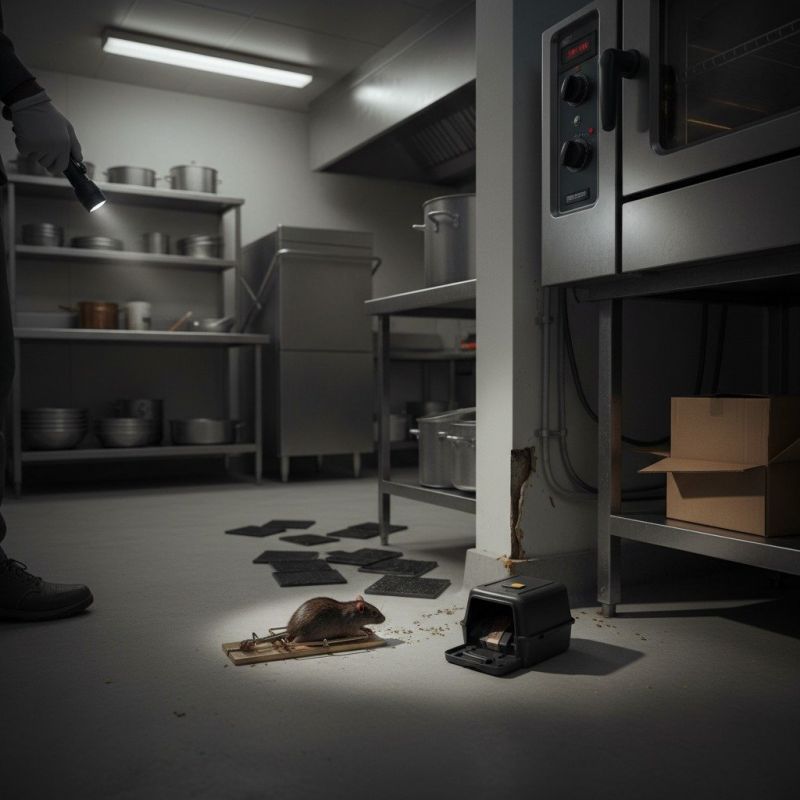
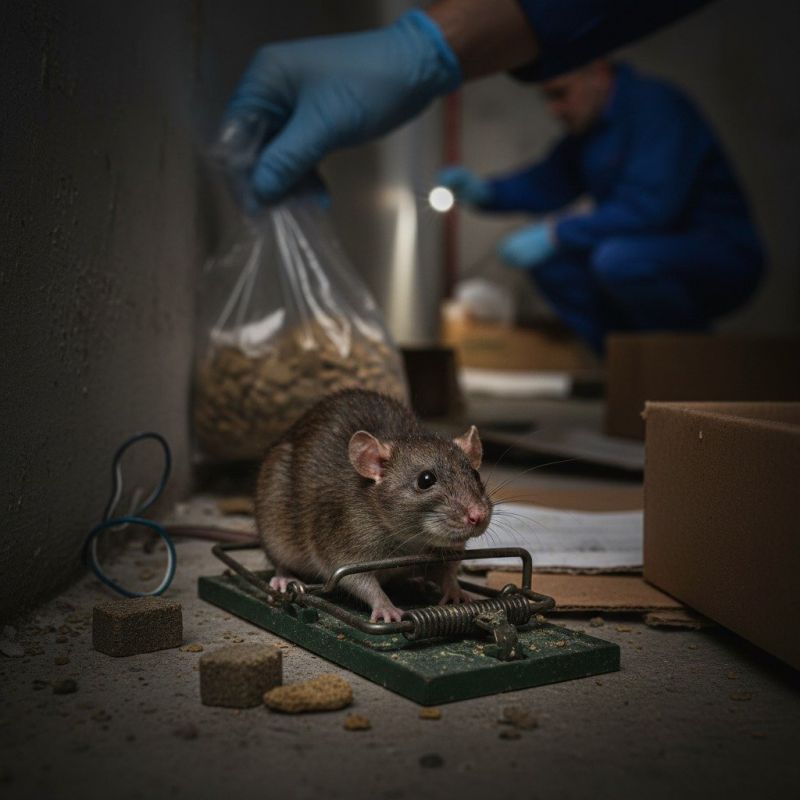
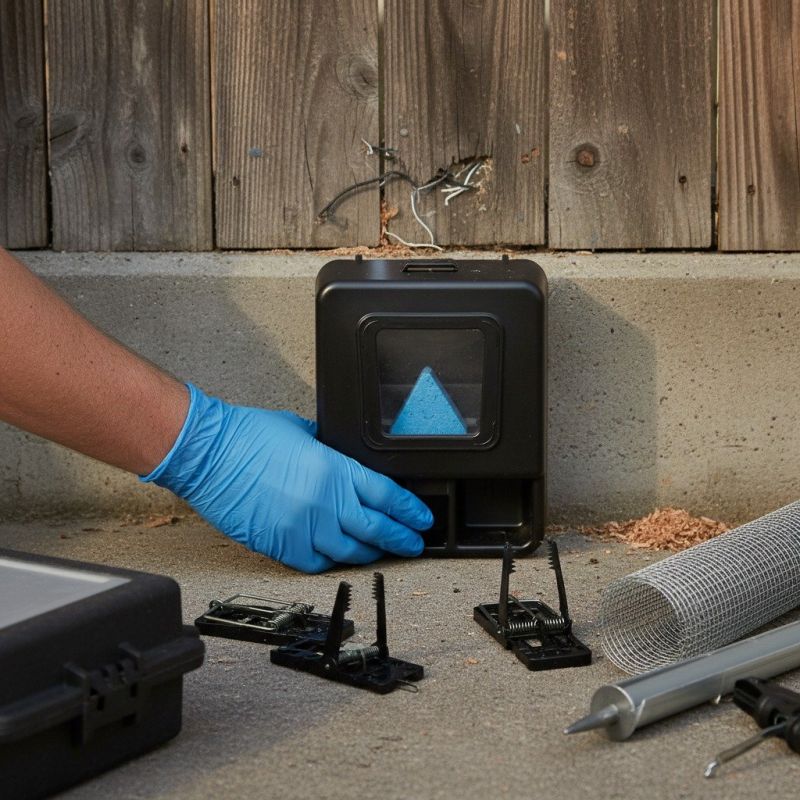
When searching for signs your commercial property has a rodent problem, business owners and property managers are usually concerned about identifying early warning indicators of an infestation. Recognizing these signs is essential for preventing extensive damage and maintaining a safe, hygienic environment for employees and customers. Typically, this involves looking for visual clues such as droppings, gnawed materials, or nesting materials like shredded paper or fabric around storage areas, walls, or ceilings. Additionally, unpleasant odors or sounds of scratching and scampering, especially at night, can signal rodents are active within the building. Understanding these signs helps property owners determine when professional intervention is necessary to address the issue promptly.
The concern about rodent activity often relates to broader problems like property damage, contamination, and health risks. Rodents are known to gnaw through electrical wiring, insulation, and structural components, which can lead to costly repairs or even fire hazards. They also pose health risks by contaminating food supplies, surfaces, and equipment with droppings and urine, which can spread diseases. For property owners planning improvements or trying to maintain a clean environment, early detection of rodent signs is crucial for implementing effective pest management strategies. Engaging local service providers specializing in commercial rodent control can help develop tailored plans to eliminate infestations and prevent future problems.
Commercial properties that typically come up in the context of rodent issues include warehouses, retail stores, restaurants, office buildings, and manufacturing facilities. These spaces often provide ample hiding spots and access to food sources, making them attractive to rodents. Warehouses storing bulk goods or raw materials are particularly vulnerable, as cluttered storage areas can serve as nesting sites. Restaurants and food processing facilities are especially sensitive, given strict health regulations and the need to maintain sanitary conditions. Office buildings with cluttered storage rooms or neglected corners can also become targets. Recognizing the types of properties prone to rodent activity helps owners understand the importance of regular inspections and professional pest control measures.
Connecting with local contractors experienced in commercial rodent control is a key step when signs of a problem are spotted. These service providers have the expertise to conduct thorough inspections, identify entry points, and implement effective treatment plans tailored to the specific property type. Whether dealing with a small infestation or a larger, ongoing issue, local pros can help develop strategies that minimize disruption and ensure long-term protection. Property owners should view these professionals as partners in maintaining a safe, pest-free environment, especially since early detection and prompt action are critical for avoiding extensive damage or health concerns. Properly addressing signs of rodent activity not only preserves the property’s integrity but also supports a healthy business operation.
Building inspections - professionals who assess structural vulnerabilities and entry points can help identify conditions that may attract rodents, similar to detecting signs of infestations on commercial properties.
Pest exclusion services - these projects focus on sealing gaps and entry points, which are crucial steps when addressing signs that a commercial property has a rodent problem.
Sanitation and cleanup - specialists in this area remove debris and food sources that attract rodents, supporting efforts to mitigate signs of infestation.
Structural repairs - contractors who fix damaged walls, floors, or roofs help eliminate hiding spots and entry points, paralleling the work needed when signs indicate a rodent issue.
Warehouse and storage facility management - projects that improve organization and storage practices can reduce attractants, similar to addressing signs of rodent activity.
Commercial cleaning services - these projects improve hygiene and sanitation standards, which are essential when signs suggest a rodent problem on a property.
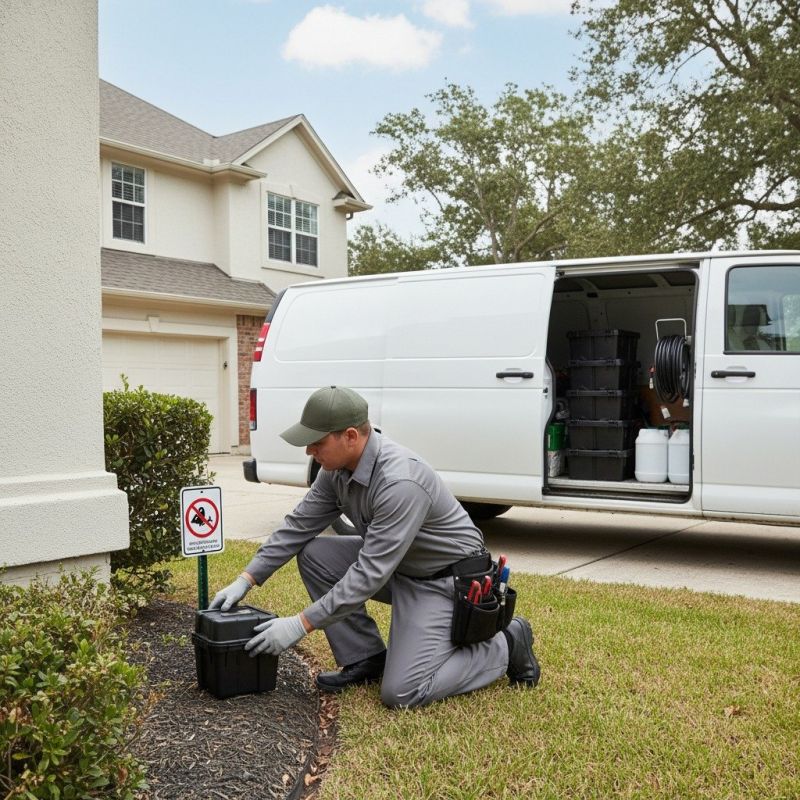
When evaluating commercial rodent control service providers, it is important for homeowners to consider their experience with similar projects. A contractor who has handled commercial properties comparable in size and type can better understand the unique challenges involved in addressing signs your commercial property has a rodent problem. An experienced service provider is more likely to have established effective strategies for detection and removal, reducing the risk of recurring issues. Asking about their background with properties similar to the one in question can help ensure that the contractor is well-versed in managing rodent infestations in commercial settings.
Clear written expectations are a key factor when comparing local contractors for rodent control services. Homeowners should seek providers who offer detailed descriptions of the scope of work, including inspection procedures, treatment methods, and follow-up measures. Transparent communication about what services are included helps prevent misunderstandings and ensures that both parties are aligned on the process. Establishing these expectations upfront can also facilitate smoother interactions and provide a basis for evaluating the effectiveness of the service once completed.
Reputable references and effective communication are essential qualities to look for in a service provider. Homeowners can request references from previous clients who had similar issues to gauge the contractor’s reliability and professionalism. Good communication involves timely responses to questions, clear explanations of treatment options, and updates throughout the process. These factors contribute to a positive working relationship and help ensure that the homeowner feels confident in the contractor’s ability to resolve signs your commercial property has a rodent problem efficiently and thoroughly.
Property owners often search for signs your commercial property has a rodent problem when they are planning practical projects around their homes and businesses. Local pros provide Commercial Rodent Control services for everyday jobs and straightforward project options.
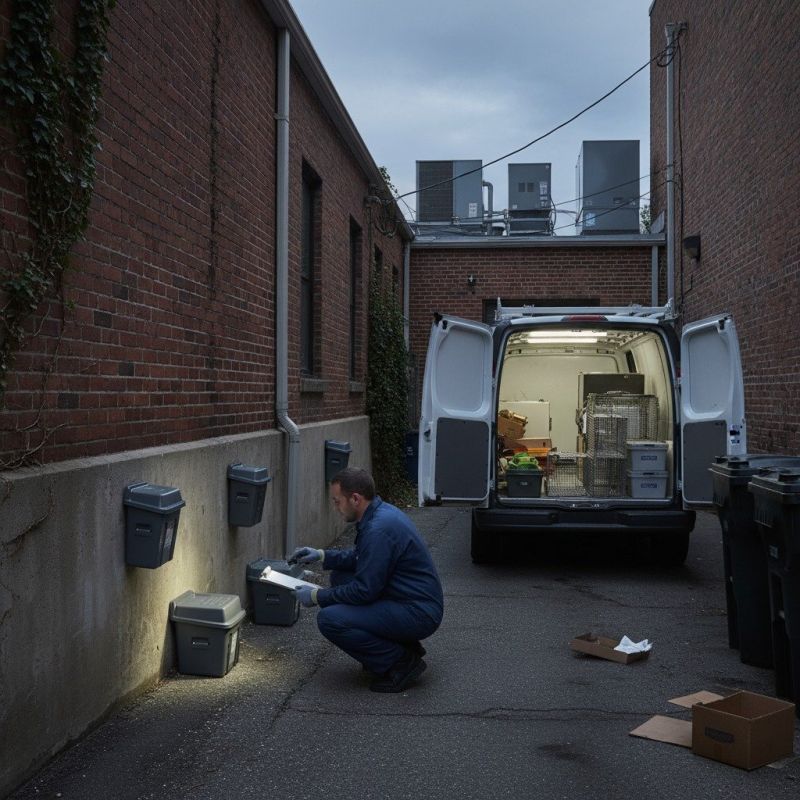

Recognizing the signs that a commercial property has a rodent problem can often come from everyday observations. Business owners and property managers might notice droppings in storage areas, along walls, or near food storage spaces. Unusual gnaw marks on packaging, furniture, or wiring could also indicate rodent activity. Additionally, hearing scratching or scampering sounds, especially at night, may suggest rodents are nesting nearby. These common indicators can prompt property owners to explore professional commercial rodent control services offered by local contractors who specialize in addressing pest issues efficiently.
Other signs that point to a rodent infestation include the presence of nests made from shredded materials or insulation, as well as a strong, musky odor that lingers in certain areas. Sightings of live or dead rodents inside or around the building are clear signals that intervention is needed. Property owners in the area often look into local pest control providers to assess the situation and implement effective measures. These experienced service providers can help manage and eliminate rodent problems, safeguarding the property and preventing further damage or health concerns.
What are common physical signs of rodents in a commercial property? Look for droppings, gnaw marks on wires or furniture, and shredded materials, which can indicate rodent activity inside the premises.
How can I tell if there are rodents active in hidden areas? Signs include scratching noises in walls or ceilings, nests made of paper or fabric, and a strong musty odor that suggests rodent presence in concealed spaces.
Are there specific signs related to droppings or tracks? Yes, fresh droppings near food storage, along baseboards, or in corners, as well as footprints or greasy rub marks along walls and floors, can point to ongoing rodent activity.
What behavioral signs might indicate a rodent problem? Observing rodents during active hours, noticing unusual smells, or finding chewed packaging and wiring can be signs that a property has a rodent issue.
How do local contractors identify signs of a rodent infestation? They conduct thorough inspections, looking for physical evidence like droppings, nests, gnaw marks, and signs of entry points to assess the extent of the problem.
Unusual Noises - Noticing scratching or scurrying sounds in walls or ceilings can indicate rodent activity, prompting property owners to seek inspections from local contractors.
Droppings and Gnaw Marks - Finding rodent droppings or chewed materials around storage areas or entry points can help identify problem areas for local service providers to address.
Nesting Materials - Discovering shredded paper, fabric, or insulation in hidden corners suggests rodents are nesting, encouraging property owners to consult local pros for removal.
Unpleasant Odors - Detecting a persistent musty smell near walls or storage spaces can signal an infestation, leading owners to consider professional rodent control solutions.
If you are thinking about signs your commercial property has a rodent problem for a property, this guide is meant to help you understand this topic, the typical project types, and how different options might fit your plans.
When you are ready, you can use the quote form on this page to share a few details about your project. From there, local pros can review the basics and follow up with options that match what you have in mind.